6 Standing Yoga Poses to Strengthen Core and Improve Balance Core strength and balance are essential for overall stability, posture, and injury prevention. Weak core muscles or poor balance can lead to discomfort, falls, and reduced mobility. Standing yoga poses are highly effective for strengthening the core and improving balance because they engage multiple muscle groups, enhance body awareness, and promote proper alignment. Practicing these poses consistently helps stabilize the body, supports daily movements, and fosters greater confidence and agility.
Why Standing Yoga Poses Are Ideal for Core and Balance
Standing yoga poses activate both the abdominal and stabilizing muscles while encouraging mindfulness and controlled breathing. Unlike floor-based exercises, these poses improve functional strength that is directly transferable to everyday activities like walking, bending, or reaching. Engaging the core during standing poses strengthens deep abdominal muscles, supports the spine, and improves posture. Additionally, balancing while standing challenges the neuromuscular system, enhancing coordination, proprioception, and overall stability.
Mountain Pose (Tadasana) for Foundation and Posture
Mountain Pose, or Tadasana, is a foundational pose that improves posture and activates core muscles. Standing tall with feet grounded, shoulders relaxed, and spine elongated strengthens the abdominal muscles and encourages proper alignment. This pose enhances body awareness, balance, and stability, serving as a base for more advanced standing poses. Practicing Mountain Pose daily develops a strong core and prepares the body for dynamic movements.

Tree Pose (Vrikshasana) for Balance and Core Engagement
Tree Pose, or Vrikshasana, is an excellent exercise to improve balance while engaging the core and stabilizing muscles. Standing on one leg and focusing on a point in front helps maintain balance and trains the abdominal muscles to support the body. This pose strengthens the legs, hips, and lower back while improving mental focus and concentration. Regular practice of Tree Pose promotes steadiness, confidence, and coordination, making everyday activities safer and easier.
Warrior III (Virabhadrasana III) to Challenge Core Stability
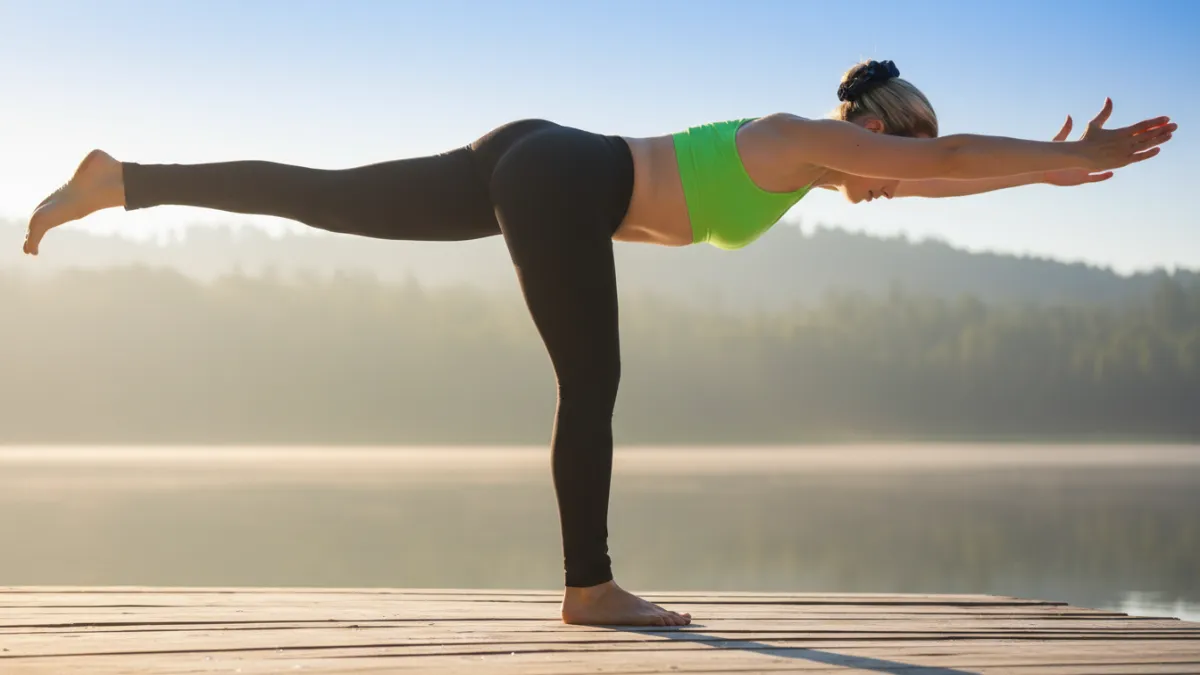
Warrior III Pose, or Virabhadrasana III, is a dynamic standing posture that challenges the core, hips, and legs. By extending one leg back and reaching forward with arms, the body forms a straight line from head to heel, requiring intense core engagement. This pose improves balance, strengthens the lower body, and enhances focus. Practicing Warrior III regularly develops stability and control, which is essential for injury prevention and fluid, confident movements.

Extended Side Angle (Utthita Parsvakonasana) for Oblique Strength
Extended Side Angle Pose, or Utthita Parsvakonasana, stretches the side body while engaging the obliques and core. By extending one arm overhead and the opposite leg forward, the pose strengthens abdominal and leg muscles while enhancing flexibility. It challenges balance and coordination while promoting spinal alignment and overall body stability. Practicing this pose consistently improves core strength and lateral balance, making the body more agile and resilient.
Chair Pose (Utkatasana) for Full-Body Core Activation
Chair Pose, or Utkatasana, is a powerful posture that strengthens the quadriceps, glutes, and core simultaneously. By bending the knees and sitting back as if in an imaginary chair, the abdominal muscles engage to support the spine. This pose improves balance, strengthens the lower body, and challenges mental focus. Regular practice enhances endurance, stability, and core engagement, making it an essential pose for building functional strength.

Standing Forward Fold with Core Engagement (Uttanasana Variation)
Standing Forward Fold, or Uttanasana, can be modified to strengthen the core while stretching the hamstrings and spine. By slightly engaging the abdominal muscles and maintaining controlled breathing, the pose activates the core and supports postural alignment. This variation enhances stability and flexibility simultaneously, improving balance and functional strength in the lower back and core. Practicing this pose daily promotes smooth, controlled movements and greater awareness of body mechanics.
Consistently practicing these six standing yoga poses strengthens the core, improves balance, and enhances overall body stability. Integrating them into a daily routine helps maintain proper posture, prevents injuries, and supports functional movement. Even dedicating 15–20 minutes a day to these poses can build strength, increase coordination, and improve confidence in everyday activities.

Are these standing poses suitable for beginners?
Yes, all six poses can be adapted for beginners, and using a wall or chair for support can make them easier.
How long should I practice daily for best results?
Practicing for 15–20 minutes each day consistently is enough to strengthen the core and improve balance.

Can these poses reduce the risk of falls?
Yes, by strengthening the core and improving stability, these poses help prevent falls and enhance overall mobility.
When will I see improvements in balance and core strength?
With consistent practice, most people notice increased balance, stability, and core engagement within 3–4 weeks.