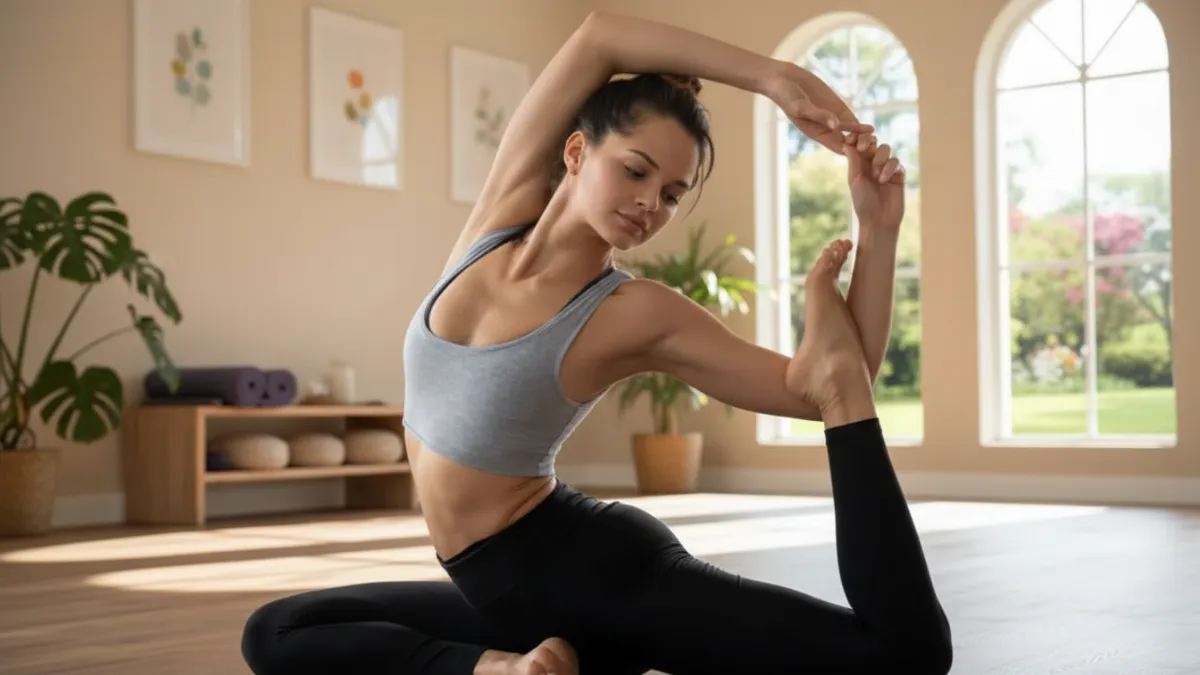
7 Simple Yoga Poses Maintaining good posture is essential for overall health, comfort, and confidence. Poor posture can lead to back pain, neck tension, and fatigue from daily activities. Yoga offers simple, effective poses that strengthen postural muscles, stretch tight areas, and reduce daily strain. By practicing these poses regularly, you can improve alignment, relieve tension, and promote a healthier, more balanced body.
Why Yoga Helps Posture and Reduces Strain
Yoga strengthens the muscles that support the spine, including the core, back, and shoulders. Tight hips, chest, and hamstrings often contribute to slouching or misalignment, and yoga stretches these areas to restore natural posture. Regular practice improves flexibility, reduces muscle stiffness, and increases awareness of body positioning throughout the day. These benefits help prevent pain, improve circulation, and make daily movements easier and more comfortable.
1. Mountain Pose (Tadasana) for Body Awareness
Mountain Pose is a foundational posture that encourages proper alignment from head to heels. Standing tall with feet grounded, shoulders relaxed, and core engaged improves posture and builds awareness of body positioning. Practicing Mountain Pose daily strengthens postural muscles and reinforces proper alignment in everyday activities.

2. Cat-Cow Pose (Marjaryasana-Bitilasana) for Spinal Flexibility
Cat-Cow Pose gently stretches and mobilizes the spine while engaging the core. Alternating between arching and rounding the back relieves tension in the neck, shoulders, and lower back. This pose improves spinal flexibility, reduces stiffness, and encourages healthy movement patterns throughout the day.
3. Child’s Pose (Balasana) for Relaxation and Stretch
Child’s Pose stretches the back, hips, and shoulders, providing a restorative release from daily strain. This pose encourages gentle elongation of the spine and relaxation of tense muscles. Practicing Child’s Pose regularly reduces stress, alleviates back tension, and improves overall posture.

4. Downward-Facing Dog (Adho Mukha Svanasana) for Strength and Alignment
Downward-Facing Dog strengthens the shoulders, core, and legs while stretching the spine and hamstrings. This pose promotes proper spinal alignment, releases tension in the upper body, and improves overall posture. Regular practice also increases circulation and energy levels, helping the body stay balanced throughout the day.
5. Bridge Pose (Setu Bandhasana) for Lower Back and Core
Bridge Pose strengthens the glutes, lower back, and hamstrings while opening the chest and hip flexors. Lifting the hips engages postural muscles and improves spinal alignment. Practicing Bridge Pose regularly enhances core stability, reduces strain on the lower back, and supports a healthier posture.

6. Seated Forward Fold (Paschimottanasana) for Hamstrings and Spine
Seated Forward Fold stretches the hamstrings, spine, and lower back, relieving tension from prolonged sitting. This pose encourages elongation of the spine and improves flexibility in the posterior chain. Regular practice helps prevent slouching, eases daily strain, and promotes a more upright posture.
7. Cobra Pose (Bhujangasana) for Upper Back and Chest
Cobra Pose strengthens the back muscles while opening the chest and shoulders. This posture counteracts forward rounding of the upper body caused by long hours of sitting or device use. Practicing Cobra Pose improves spinal extension, reduces shoulder tension, and enhances overall postural alignment.

Integrating these 7 yoga poses into your daily routine can significantly improve posture, reduce muscle strain, and support a healthier, more balanced body. Even dedicating 10–15 minutes daily helps release tension, strengthen key muscles, and improve overall body awareness. With consistent practice, these poses provide both physical and mental relief from the stresses of daily life.
How often should I practice these 7 poses?
Practicing daily or at least 4–5 times a week is ideal for noticeable improvements in posture and reduced strain.

Can beginners safely perform all these poses?
Yes, these poses are beginner-friendly and can be modified with props such as blocks or cushions for comfort.
How soon will I notice benefits in posture?
Most people notice improved alignment, reduced tension, and better comfort within 2–3 weeks of consistent practice.
Do I need any special equipment for these poses?
A yoga mat is recommended for comfort, but no additional equipment is necessary.