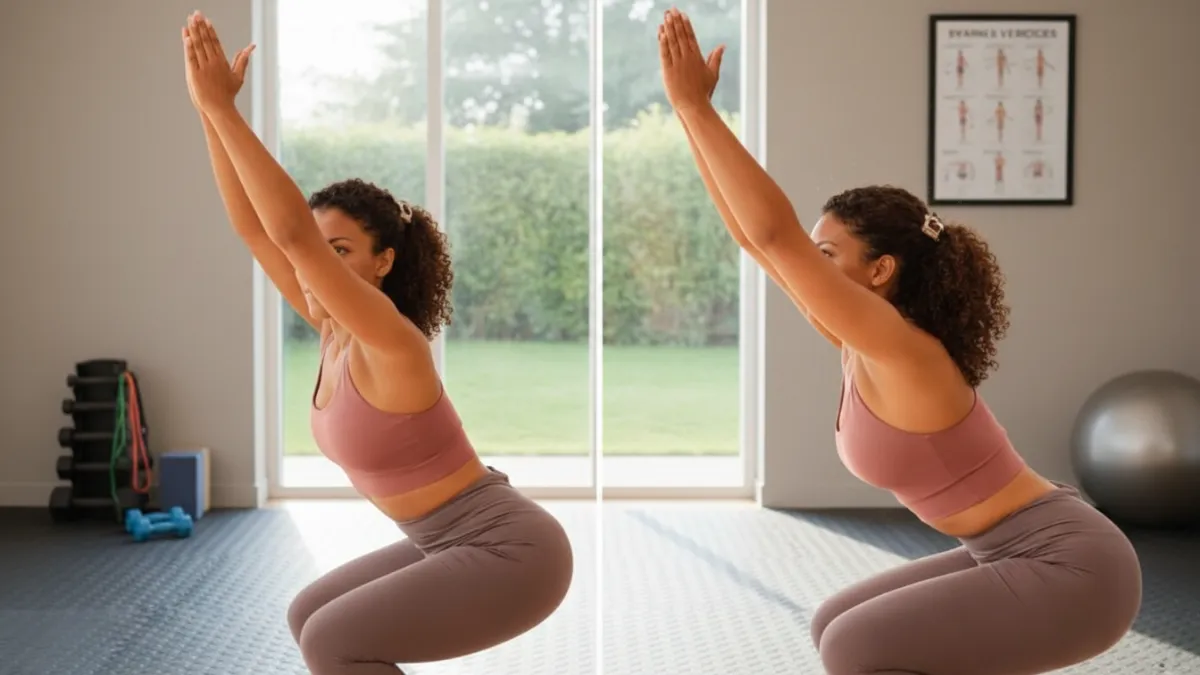
Master 4 Standing Exercises at 60 and Stay Stronger Than Ever Aging gracefully requires maintaining strength, balance, and mobility, especially after 60. As the body matures, muscles naturally weaken, joints may stiffen, and overall stability can decline. However, standing exercises are a safe and effective way to strengthen muscles, improve balance, and maintain independence. These exercises are low-impact, easy to perform at home, and target key muscle groups that support everyday movements. By practicing them consistently, you can stay stronger, reduce the risk of falls, and enjoy a more active lifestyle at 60 and beyond.
Why Standing Exercises Are Important After 60
After 60, muscle mass tends to decrease, and flexibility may decline, making simple activities like walking, climbing stairs, or carrying groceries more challenging. Standing exercises engage multiple muscle groups simultaneously, improve circulation, and enhance joint stability. Unlike floor-based workouts, these exercises are joint-friendly and reduce the risk of injury. They also improve core strength and posture, which are essential for maintaining balance and overall functional fitness. Incorporating standing exercises into a daily routine promotes longevity, mobility, and quality of life.
Side Leg Raises to Strengthen Hips and Legs
Side leg raises are a highly effective standing exercise to strengthen the hips, thighs, and glutes. By lifting the leg to the side while maintaining balance, you activate stabilizing muscles that support hip mobility and reduce the risk of falls. Practicing this movement consistently enhances lower body strength, improves coordination, and supports better posture. It also engages core muscles for balance, making everyday activities like walking and climbing stairs easier and safer for people over 60.

Standing March for Cardiovascular Health
Standing march is a simple yet powerful exercise that improves circulation, boosts heart rate, and strengthens the legs and core. Lifting each knee in a controlled motion while maintaining an upright posture enhances balance, coordination, and stamina. Regular practice of standing marches increases energy levels, promotes cardiovascular health, and supports overall mobility. It is a low-impact exercise ideal for older adults to maintain fitness without straining joints or muscles.
Standing Side Bends to Improve Flexibility
Standing side bends target the obliques and help increase lateral flexibility, which often declines with age. Gently bending from side to side while standing stretches the spine, improves posture, and engages the core muscles. This exercise enhances flexibility in the waist and lower back, reduces stiffness, and contributes to a stronger, more agile body. Consistent practice helps maintain a full range of motion, making daily movements easier and reducing discomfort from prolonged sitting or bending.

Calf Raises for Balance and Stability
Calf raises are excellent for strengthening the lower legs, improving ankle stability, and enhancing balance. Rising onto the toes while standing engages the calf muscles, Achilles tendons, and supporting leg muscles. This exercise improves posture, prevents falls, and enhances overall lower-body strength. Practicing calf raises regularly ensures better mobility, smoother gait, and greater confidence while walking or performing daily activities, which is especially important for people over 60.
Incorporating these four standing exercises into a daily routine can significantly improve strength, flexibility, and balance for individuals over 60. Consistent practice, combined with proper hydration, a balanced diet, and adequate rest, supports overall health and vitality. Even dedicating just 15–20 minutes a day to these exercises can help older adults stay stronger, more agile, and independent while reducing the risk of injuries and maintaining a high quality of life.

Are these exercises safe for beginners over 60?
Yes, all four exercises are low-impact, gentle, and suitable for beginners when done with proper alignment.
How long should I practice these exercises daily?
15–20 minutes daily is sufficient to notice improvements in strength, balance, and flexibility.

Do I need equipment for these exercises?
No, all exercises can be done using just a sturdy chair or wall for support if needed.
When will I see results from these exercises?
With consistent daily practice, most people notice increased strength, improved balance, and greater mobility within 3–4 weeks.