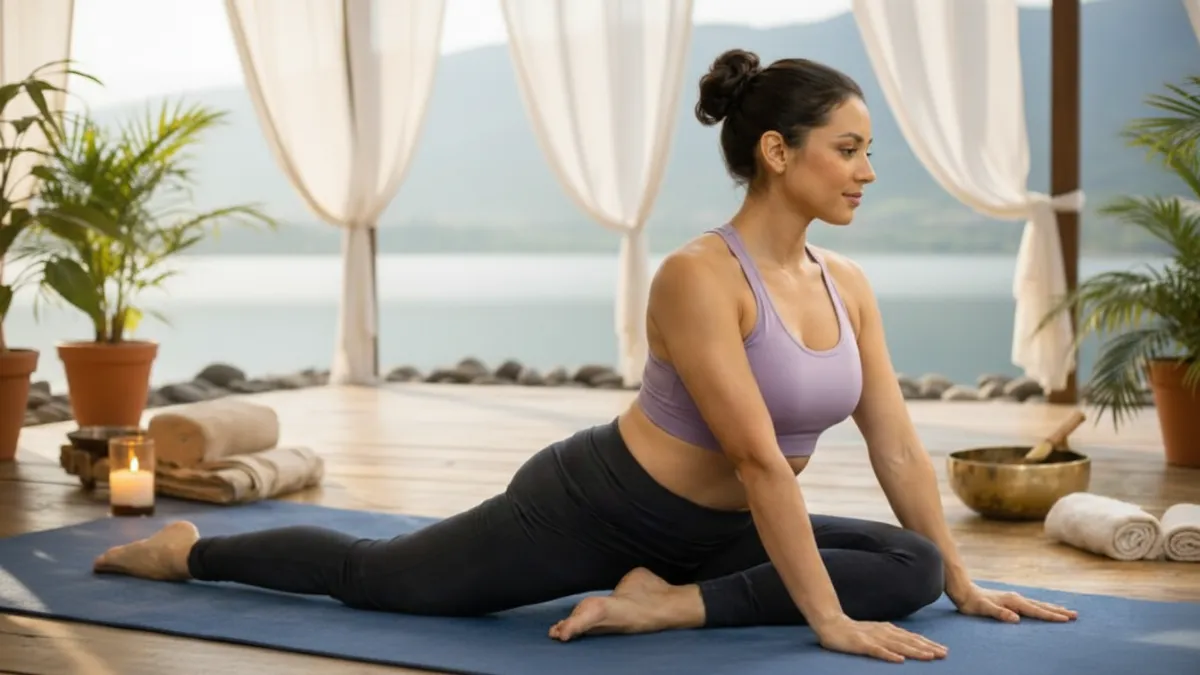
Hip tightness is a common issue caused by prolonged Relieve Hip Tightness and Improve sitting, lack of movement, or physical stress, and it can limit mobility, cause discomfort, and affect posture. Fortunately, yoga offers effective, gentle, and natural solutions to relieve hip tension, increase flexibility, and restore smooth movement. Practicing specific yoga poses consistently can reduce stiffness, open up the hip joints, and strengthen surrounding muscles, making everyday movements easier and pain-free.
Why Yoga Helps Relieve Hip Tightness
Yoga improves blood circulation, relaxes tight muscles, and enhances joint mobility. Hip-opening poses stretch the glutes, hip flexors, and surrounding muscles while strengthening stabilizing muscles for better support. Unlike high-impact exercises that may strain joints, yoga emphasizes controlled, mindful movements combined with deep breathing, allowing the hips to release tension gradually and safely. Regular practice helps prevent injuries, restores full range of motion, and supports proper posture.
Low Lunge Pose (Anjaneyasana) for Hip Flexor Stretch
Low Lunge Pose, or Anjaneyasana, stretches the hip flexors and quadriceps, which are often tight from sitting for long hours. By stepping one leg forward and lowering the back knee, the pose opens the hip joint and improves flexibility. Practicing this pose daily relieves tension, enhances mobility, and encourages smooth movement in the hips and lower body. It also strengthens the legs and stabilizes the core, promoting balance and ease in walking or climbing stairs.

Pigeon Pose (Eka Pada Rajakapotasana) for Deep Hip Opening
Pigeon Pose is one of the most effective yoga postures for deeply opening the hips. By positioning one leg forward and the other stretched back, this pose targets the glutes, piriformis, and hip rotators. Regular practice releases deep-seated tension, reduces stiffness, and improves circulation in the hip region. Pigeon Pose also enhances flexibility in the thighs and lower back, promoting smoother movement and relieving discomfort caused by tight hips.
Butterfly Pose (Baddha Konasana) for Inner Thigh and Hip Flexibility
Butterfly Pose, or Baddha Konasana, stretches the inner thighs, groin, and hips, supporting better hip mobility. Sitting with the soles of the feet together and gently pressing the knees toward the ground opens the hip joints and increases flexibility. Practicing this pose helps release tightness in the hips and inner thighs, improves posture, and encourages relaxation of the lower body. Consistent practice can enhance smooth movement in walking, bending, and squatting.

Bridge Pose (Setu Bandhasana) to Strengthen Hips and Lower Back
Bridge Pose, or Setu Bandhasana, strengthens the glutes, hamstrings, and lower back while opening the hip flexors. By lifting the hips while lying on the back, this pose stretches the hip area, improves spinal alignment, and relieves tension. Bridge Pose supports smoother hip movement, reduces stiffness, and enhances balance and stability. Practicing this posture regularly improves posture, strengthens core muscles, and restores fluid motion in the hips and lower body.
Consistent practice of these yoga poses can significantly reduce hip tightness, improve flexibility, and restore smooth movement. Combining gentle stretching with deep, mindful breathing encourages relaxation of tight muscles and proper joint alignment. Over time, practicing these poses daily enhances mobility, prevents injuries, and supports overall hip health, making it easier to perform daily activities and stay active.

How often should I practice these hip-opening yoga poses?
Daily practice for 10–20 minutes is sufficient to relieve tightness and restore mobility.
Can beginners safely do these poses?
Yes, all these poses can be modified for beginners, using props like cushions or yoga blocks for support.

When is the best time to practice for maximum hip relief?
Morning or evening practice is ideal when muscles are warm or after light stretching.
How soon will I notice improvements in hip mobility?
With consistent daily practice, most people experience reduced tightness and improved movement within 2–3 weeks.