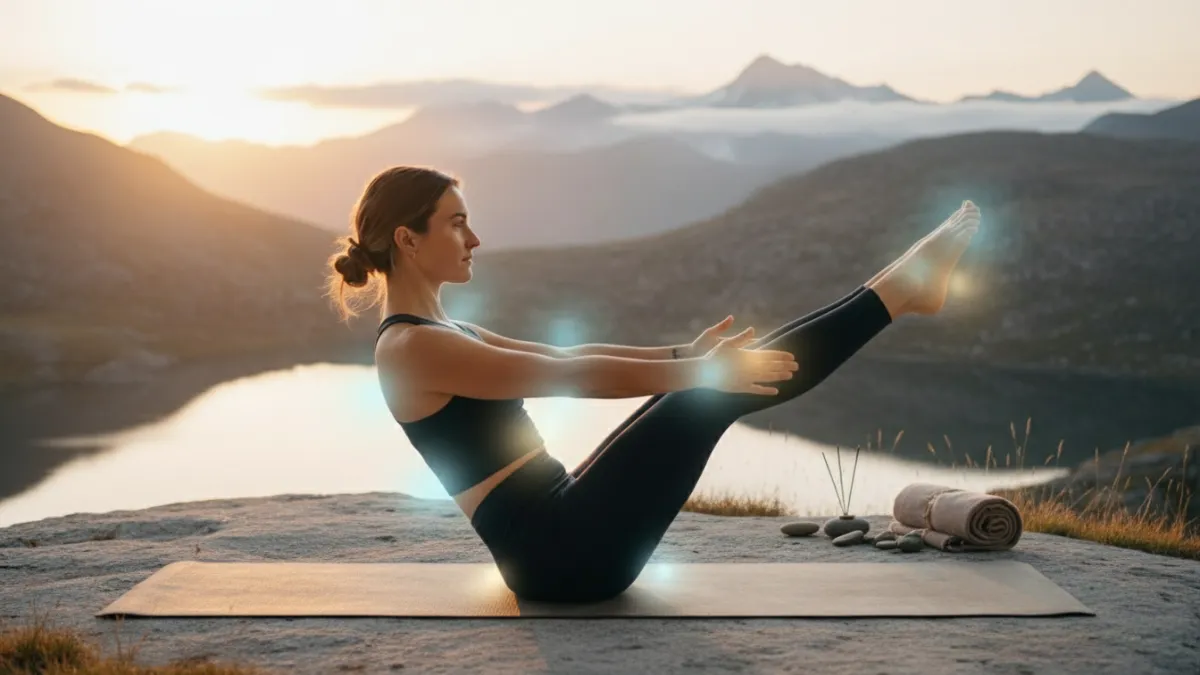
11 Yoga Poses: Build Core Strength and Improve Body Stability A strong core is the foundation of overall body strength, balance, and functional movement. Yoga offers effective, low-impact ways to build core muscles and enhance stability, making it suitable for all fitness levels. Incorporating specific poses into your daily routine strengthens abdominal muscles, engages stabilizing muscles, and improves coordination. Over time, these poses contribute to better posture, reduced risk of injury, and increased confidence in performing daily activities.
Why Core Strength and Stability Matter
Core muscles support the spine, protect internal organs, and maintain balance during movement. Weak core muscles can lead to poor posture, back pain, and difficulty performing everyday tasks. Yoga poses designed for core engagement not only build strength but also improve flexibility and joint stability. Developing a stable core allows for smoother movement, better balance, and enhanced athletic performance.
1. Plank Pose (Phalakasana) for Total Core Engagement
Plank Pose is a foundational exercise that strengthens the entire core, including the abs, back, shoulders, and glutes. Maintaining a straight line from head to heels while engaging all core muscles improves endurance, posture, and stability. Practicing this pose regularly provides a solid base for more advanced yoga postures.
2. Side Plank (Vasisthasana) for Lateral Core Strength
Side Plank targets the obliques and shoulder stabilizers while improving overall balance. Supporting the body on one hand or forearm challenges the side core muscles and enhances coordination. Consistent practice increases stability, strengthens the arms, and promotes better posture.

3. Boat Pose (Navasana) for Abdominal Power
Boat Pose engages the abdominal muscles intensely while improving balance on the sit bones. Holding this pose strengthens the hip flexors and lower back, enhancing core endurance and control. Practicing Boat Pose daily contributes to improved body awareness and stability.
4. Bridge Pose (Setu Bandhasana) for Glutes and Core
Bridge Pose strengthens the glutes, lower back, and hamstrings while engaging the core muscles. Lifting the hips while keeping the spine aligned improves stability and mobility in the lower body. This pose enhances posture and supports fluid movement.
5. Warrior III (Virabhadrasana III) for Balance and Strength
Warrior III is a standing pose that strengthens the legs, core, and back while improving balance. By extending one leg back and reaching forward with arms, the body forms a straight line that challenges stability. This posture enhances coordination and functional strength.

6. Chair Pose (Utkatasana) for Lower Body and Core
Chair Pose engages the quadriceps, glutes, and abdominal muscles simultaneously. Bending the knees while maintaining a straight back challenges balance and core stability. Regular practice strengthens the lower body and improves endurance.
7. Crow Pose (Bakasana) for Arm and Core Coordination
Crow Pose is an arm-balancing posture that demands strong core engagement. Balancing on the hands develops abdominal control, shoulder strength, and wrist stability. Practicing Crow Pose gradually improves coordination, focus, and overall body stability.
8. Downward-Facing Dog (Adho Mukha Svanasana) for Full-Body Strength
Downward-Facing Dog engages the core while stretching the hamstrings, calves, and spine. Maintaining alignment activates stabilizing muscles throughout the body, improving both flexibility and stability. This pose also supports better posture and shoulder strength.

9. Standing Forward Fold with Core Engagement (Uttanasana Variation)
Standing Forward Fold with slight core activation strengthens the abdominal muscles while stretching the hamstrings and spine. Engaging the core prevents sagging and supports stability in standing poses. This variation improves flexibility and strengthens stabilizing muscles simultaneously.
10. Dolphin Pose (Ardha Pincha Mayurasana) for Core and Shoulders
Dolphin Pose strengthens the core, shoulders, and upper back while promoting stability in the arms and wrists. Maintaining alignment while keeping the abdominal muscles engaged improves balance and coordination. This pose is particularly beneficial for building functional strength.
11. Revolved Chair Pose (Parivrtta Utkatasana) for Obliques and Balance
Revolved Chair Pose adds a twist to Chair Pose, targeting the obliques and improving spinal rotation. Engaging the core while twisting enhances balance and stability, strengthens deep abdominal muscles, and improves posture. This pose helps integrate strength and flexibility simultaneously.

Incorporating these 11 yoga poses into your daily routine strengthens the core, improves stability, and enhances overall body coordination. Practicing regularly supports better posture, functional movement, and injury prevention. Even dedicating 15–30 minutes daily to these poses can lead to noticeable improvements in strength, balance, and overall body confidence.
How often should I practice these 11 yoga poses?
Practicing 4–6 times a week is ideal for building core strength and stability.
Can beginners safely perform all these poses?
Yes, beginners can modify poses like Crow, Warrior III, or Side Plank using props or support to ensure safety.

How soon will I notice improvements in core strength?
With consistent practice, most people notice increased core stability and better posture within 3–4 weeks.
Do I need special equipment for these yoga poses?
No, a yoga mat is sufficient; some poses may benefit from blocks for support.